


Generator Exciter Problems and Warning Signs.
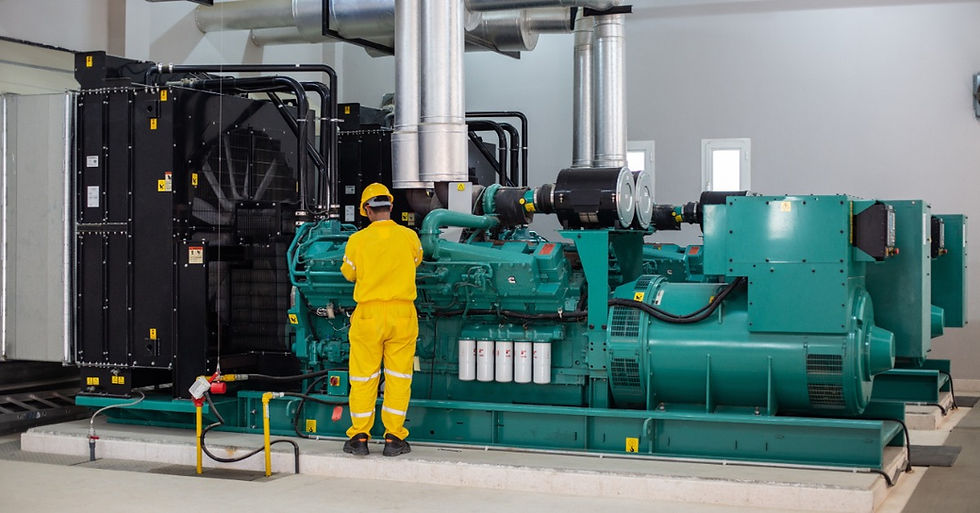
Generators don’t always announce electrical trouble with a complete shutdown. A unit can reach normal speed and still struggle to deliver steady voltage. When output begins drifting without an obvious change in demand, the excitation system deserves a closer look. Recognizing generator exciter problems and warning signs can help your maintenance team avoid a surprise interruption.
What the Exciter Does
The exciter supplies the current that creates the main generator’s rotor magnetic field. In many brushless generators, an automatic voltage regulator adjusts the exciter field, and rotating diodes convert the exciter’s output to direct current for the main rotor. Together, these components help the generator maintain voltage as electrical demand changes. A problem anywhere in that chain can affect output, even when the machine sounds normal.
Unsteady Output Voltage
Voltage readings that repeatedly fluctuate under a steady load warrant attention. You might also notice a deeper-than-usual voltage dip when a large motor starts, especially if the generator takes longer to recover. In some cases, a generator runs at its normal speed but fails to build the expected voltage during startup.
Those symptoms don’t always point to a failing exciter. Generator speed problems and excessive electrical loads can produce similar results. A faulty voltage regulator can also cause unstable output, so technicians need to evaluate the system before they replace anything.
Heat and Other Clues
Electrical damage sometimes leaves visible warnings. During a safe, scheduled inspection, a technician might find darkened terminals or deteriorating insulation near the excitation components. Operators may also notice an unusual hot electrical smell or recurring voltage alarms.
Don’t treat those warnings as a reason to open a running generator. Follow your facility’s shutdown and isolation procedures, then let qualified personnel examine the equipment. Continuing to operate through an unexplained voltage problem may put connected equipment at risk.
What Causes Exciter Trouble
In brushless systems, a failed rotating diode can limit current to the main rotor and make voltage regulation difficult. Excess heat or moisture can weaken winding insulation over time. Vibration may loosen electrical connections and create intermittent faults.
The automatic voltage regulator also needs a reliable sensing signal. A loose sensing lead can imitate an exciter failure and send troubleshooting in the wrong direction. Technicians can inspect the diode assembly and test winding resistance, then compare the results with the manufacturer’s specifications. They may also evaluate insulation condition before recommending repairs.
Catch Problems Early
Keep a record of voltage changes and the loads present when they occur. Note whether the issue appears at startup or after equipment switches on. If you’re searching for industrial generator service in the Midwest, choose a team that examines the full excitation system rather than guessing from one symptom.
A generator exciter will give you warning signs that provide your team a short window to act before output fails completely. Taking those warnings seriously helps you plan a repair on your terms instead of dealing with an unexpected shutdown.